
[ WINDS OF HOPE FOUNDATION ]
Improving living conditions, health and dignity among the most vulnerable populations.
The Foundation
The Winds of Hope Foundation was created in 1999 by Bertrand Piccard and Brian Jones following their historic round-the-world balloon flight.
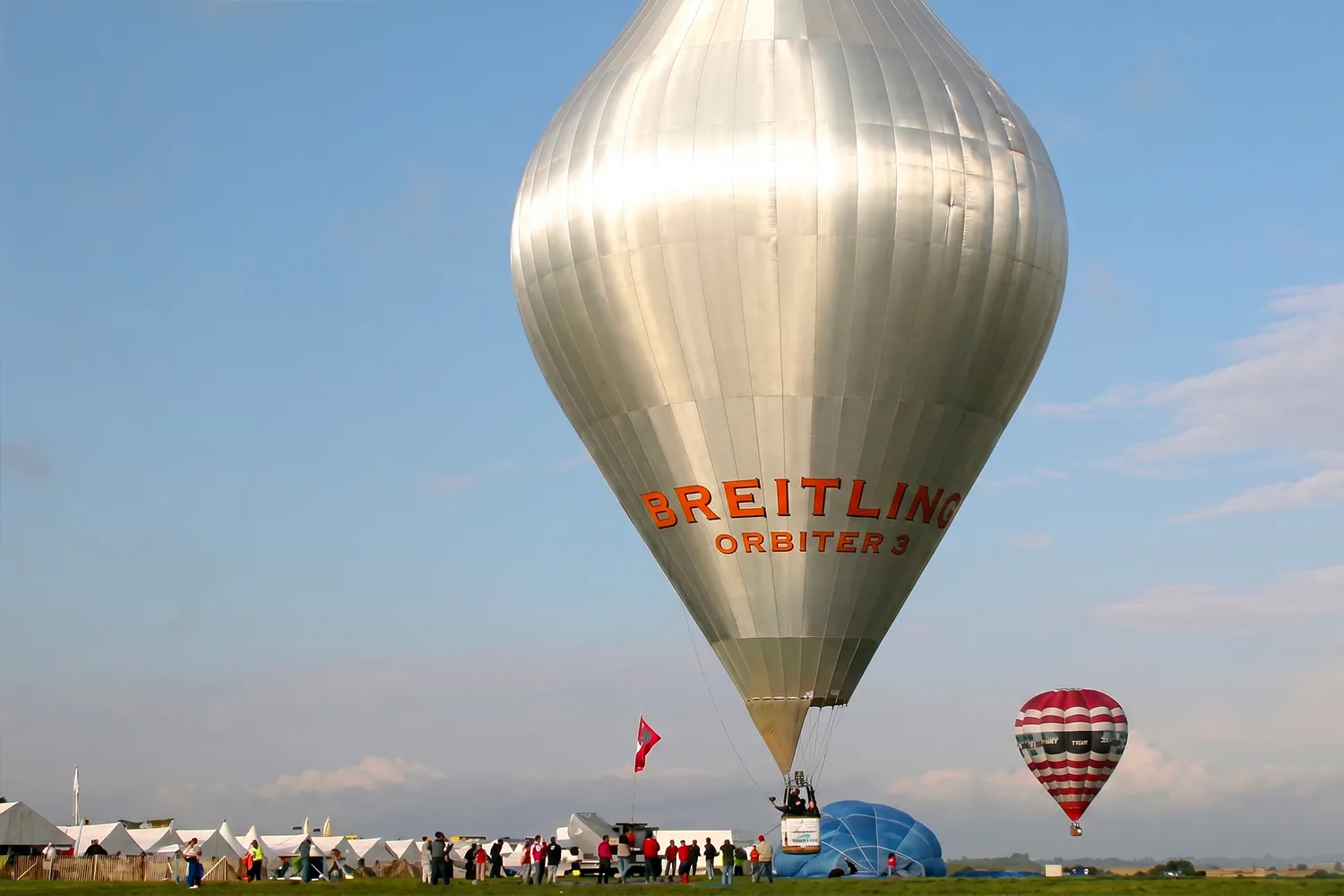
Created on 9-9-1999, the Winds of Hope Foundation is recognised as being of public utility and placed under the high supervisory authority of the Swiss Confederation. Its original capital came from the Budweiser Prize won by the around-the-world balloon team, and a donation from Breitling. It is funded by donations from private individuals and businesses, which are tax deductible.
"Inequalities are not only morally unacceptable; they are also dangerous for the functioning of our world."
— Bertrand Piccard
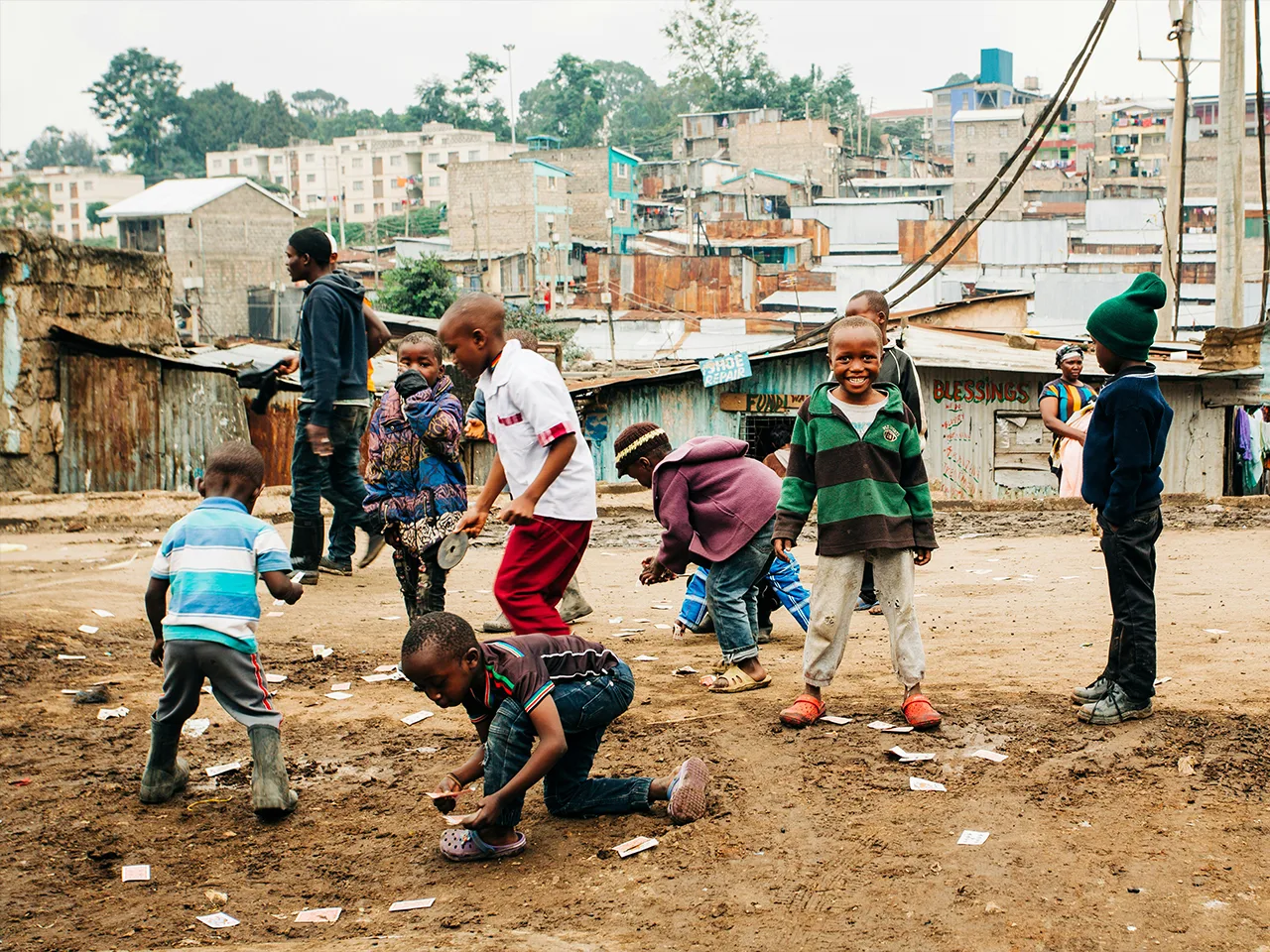
Determined to turn this achievement into meaningful action, they dedicated the proceeds of the mission to supporting children affected by poverty, disease and crisis - particularly in situations overlooked by the media and the international community.
From the outset, the Foundation has supported humanitarian initiatives providing concrete and lasting aid, with a focus on improving living conditions, health and dignity among the most vulnerable populations.
The vision Fast tracking simple, affordable solutions — the vision of Bertrand Piccard.
Identify
proven, affordable solutions
Federate
innovators, NGOs and institutions
Accelerate
replication at scale
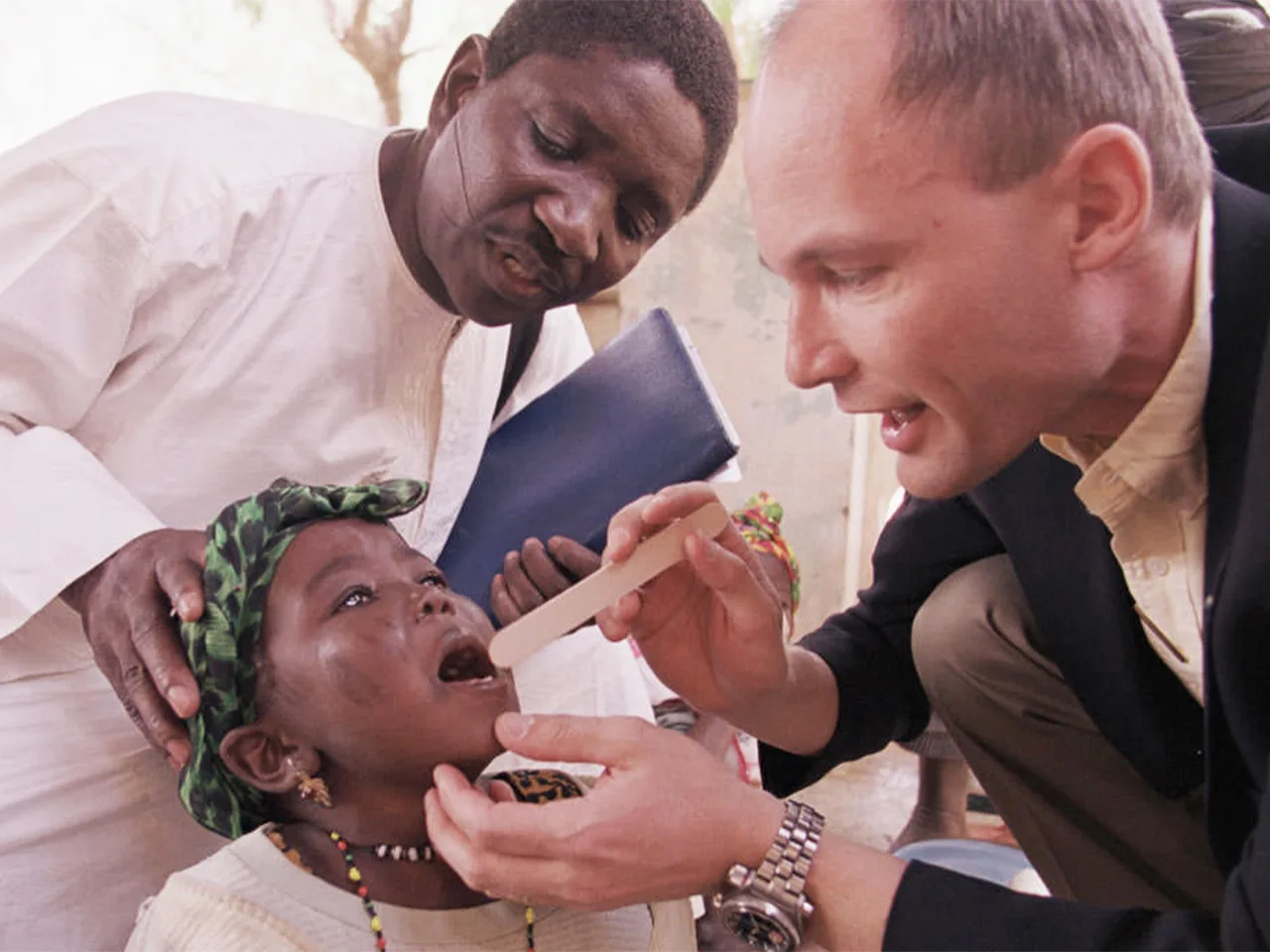
Its first and long-standing commitment was the fight against noma, a devastating disease linked to extreme poverty that primarily affects young children. Through prevention programmes, early detection and access to basic healthcare, the Foundation contributed to tangible progress on the ground. It also played a key role in mobilising international action, notably through the creation of the NoNoma International Federation, bringing together organisations engaged in combating the disease.
In 2023, following years of work, the World Health Organization officially recognised noma as a neglected tropical disease, marking an important step in strengthening the global response and enabling broader coordination and investment.
Building on this legacy, the Foundation is now re-engaging around another major but under-recognised challenge:
Combatting indoor air pollution caused by household energy use, through improved access to clean cooking solutions.
Today, Winds of Hope focuses on simple, affordable and high-impact solutions that can improve daily life while creating lasting change for underserved communities.
Current Initiative
Our Current Challenge: Fighting Indoor Air Pollution in Underserved Communities
Accelerating the adoption of Clean Cookstoves and Household Energy solutions in Africa.
Read more about the initiative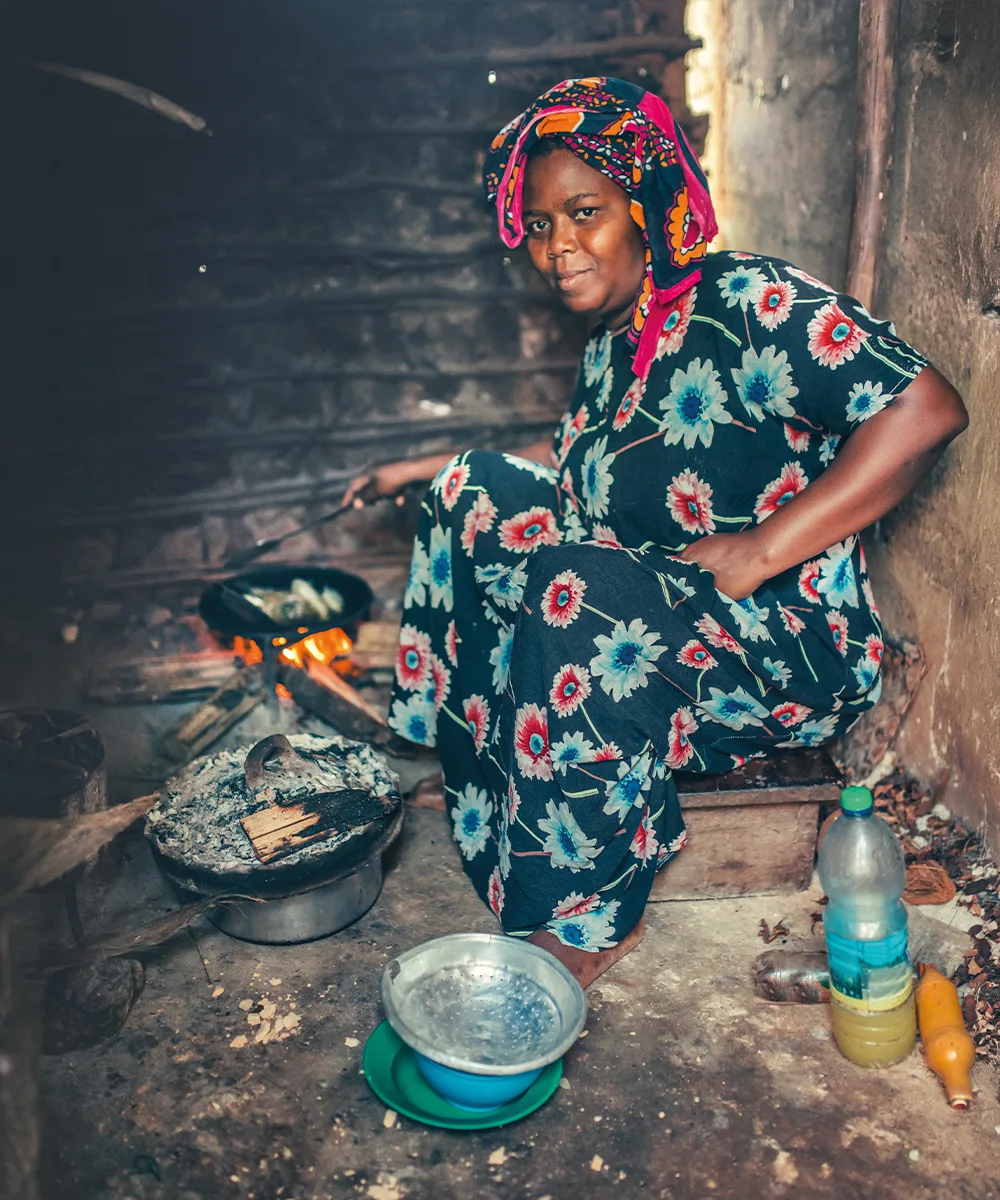
Winds of Hope has always focused on supporting underserved communities affected by health challenges that remain largely unrecognised and insufficiently addressed. Today, household air pollution represents one of the most widespread yet overlooked crises of this kind.
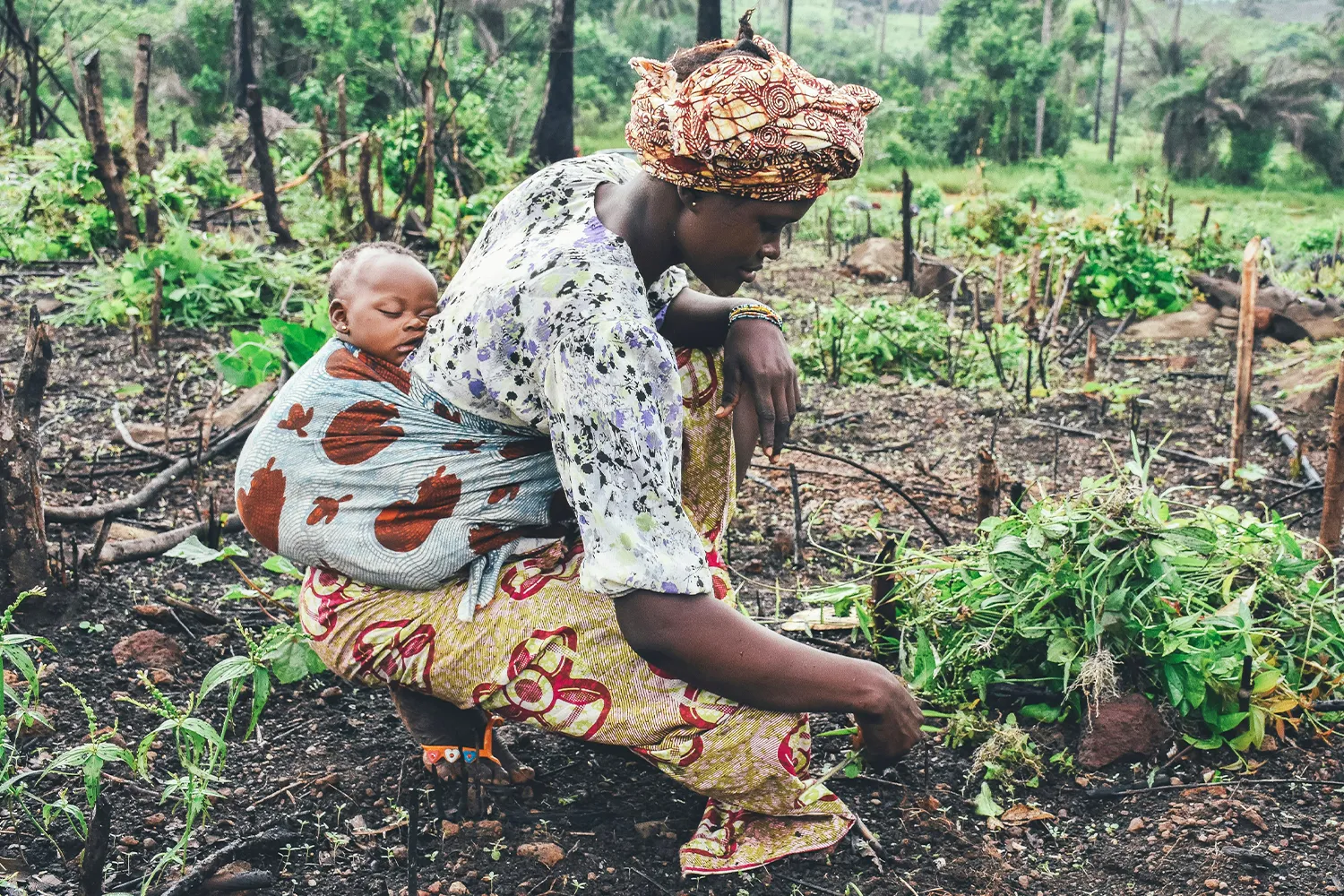
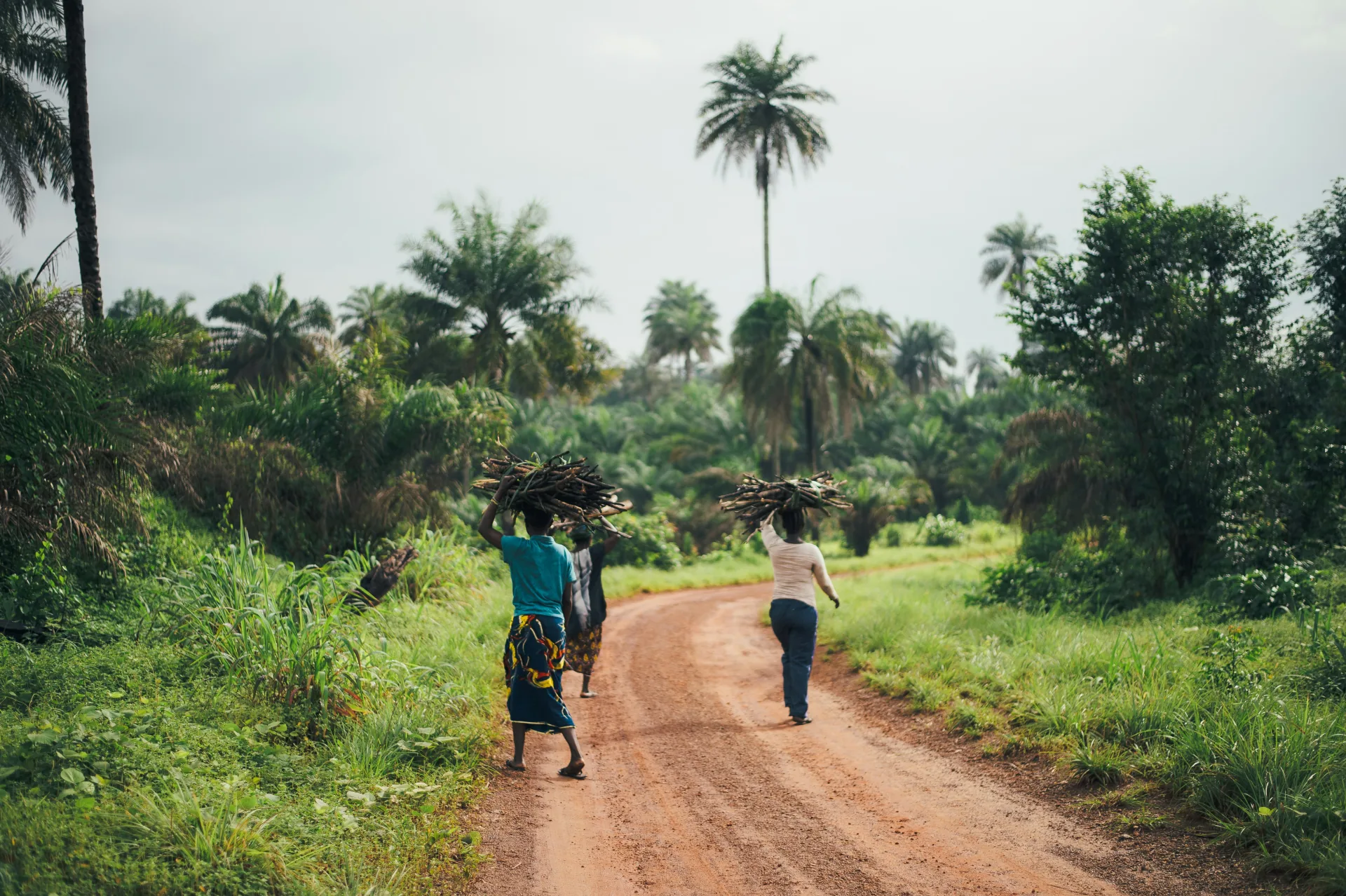
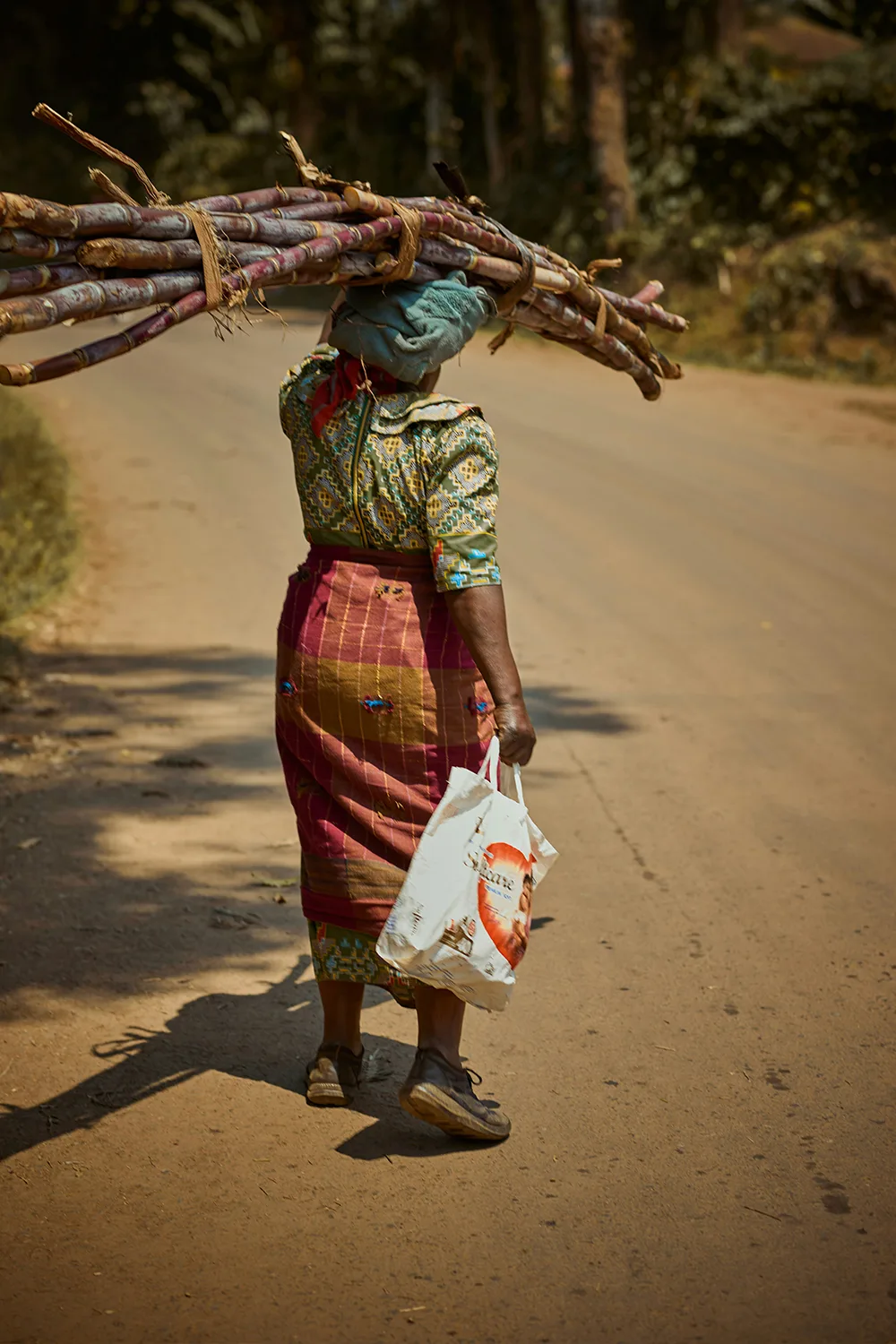
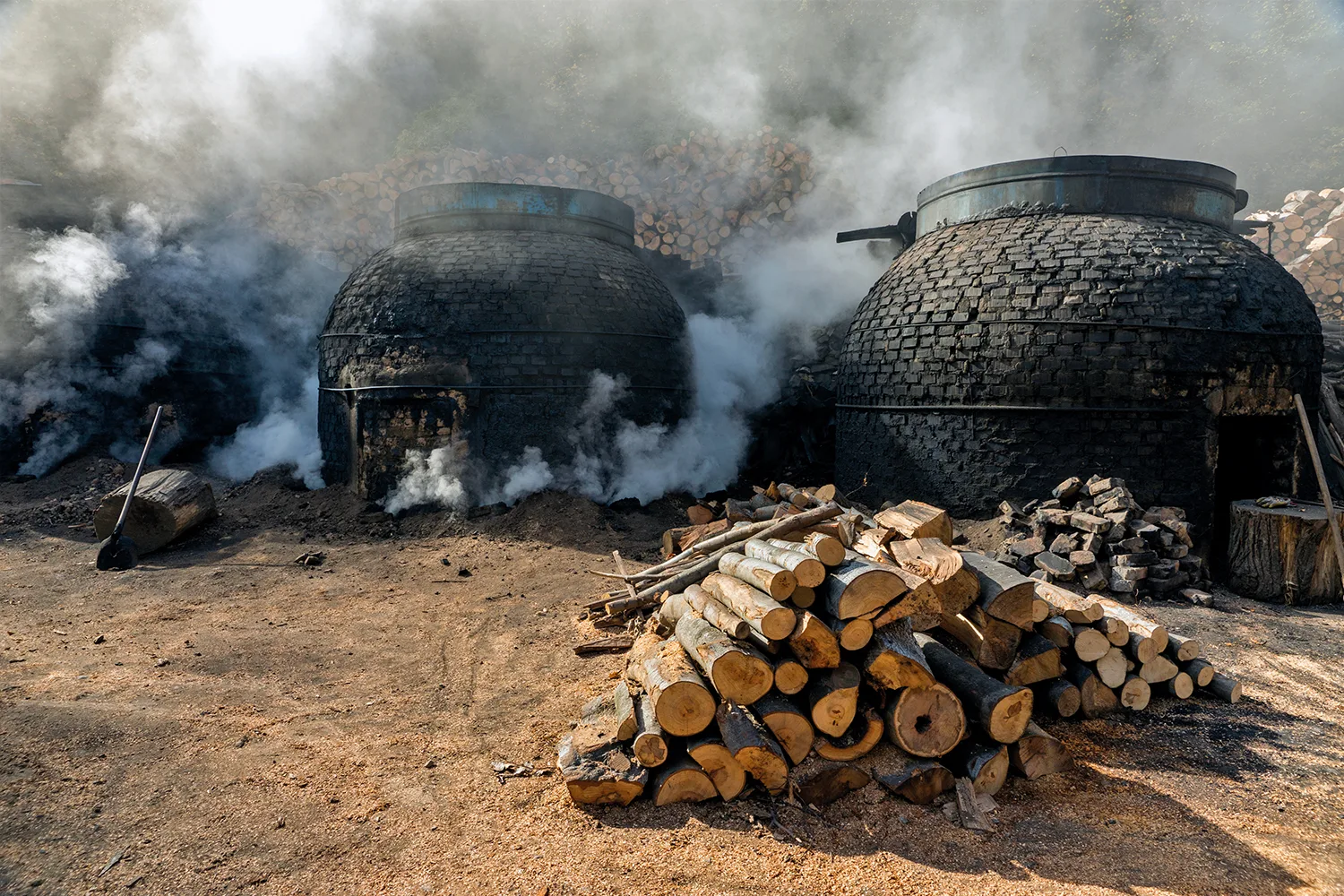
Around 2.3 billion people still rely on polluting fuels such as wood, charcoal or kerosene for daily cooking (IEA, 2024). The resulting indoor air pollution has severe health consequences, particularly for women and children, while also reinforcing cycles of poverty and environmental degradation.
Despite its scale, this issue remains under-addressed, with limited awareness and insufficient deployment of existing solutions.
In continuity with its historical commitment — notably in the fight against noma — Winds of Hope is mobilising around this challenge: a major health issue affecting vulnerable populations, for which solutions already exist but are not yet reaching those who need them most.
Winds of Hope is collaborating with the Solar Impulse Foundation to accelerate the adoption of clean, efficient and replicable cooking and household energy solutions, in Africa.
Building on the Foundation's approach of identifying solutions that are both environmentally and economically viable, the initiative focuses on bridging the gap between innovation and real-world implementation. It aims to:
- Identify proven, accessible technologies (such as clean cookstoves and alternative fuels)
- Promote solutions that deliver immediate health and environmental benefits
- Support their replication at scale in underserved communities
- Connect innovators, NGOs, local actors and institutions to enable deployment
- Address a neglected health issue affecting billions of people
- Support underserved communities with practical, accessible solutions
- Promote clean, efficient and scalable technologies already available today
- Accelerate real-world adoption through collaboration and awareness
Past Commitment
Our First Battle: Detection and prevention of noma
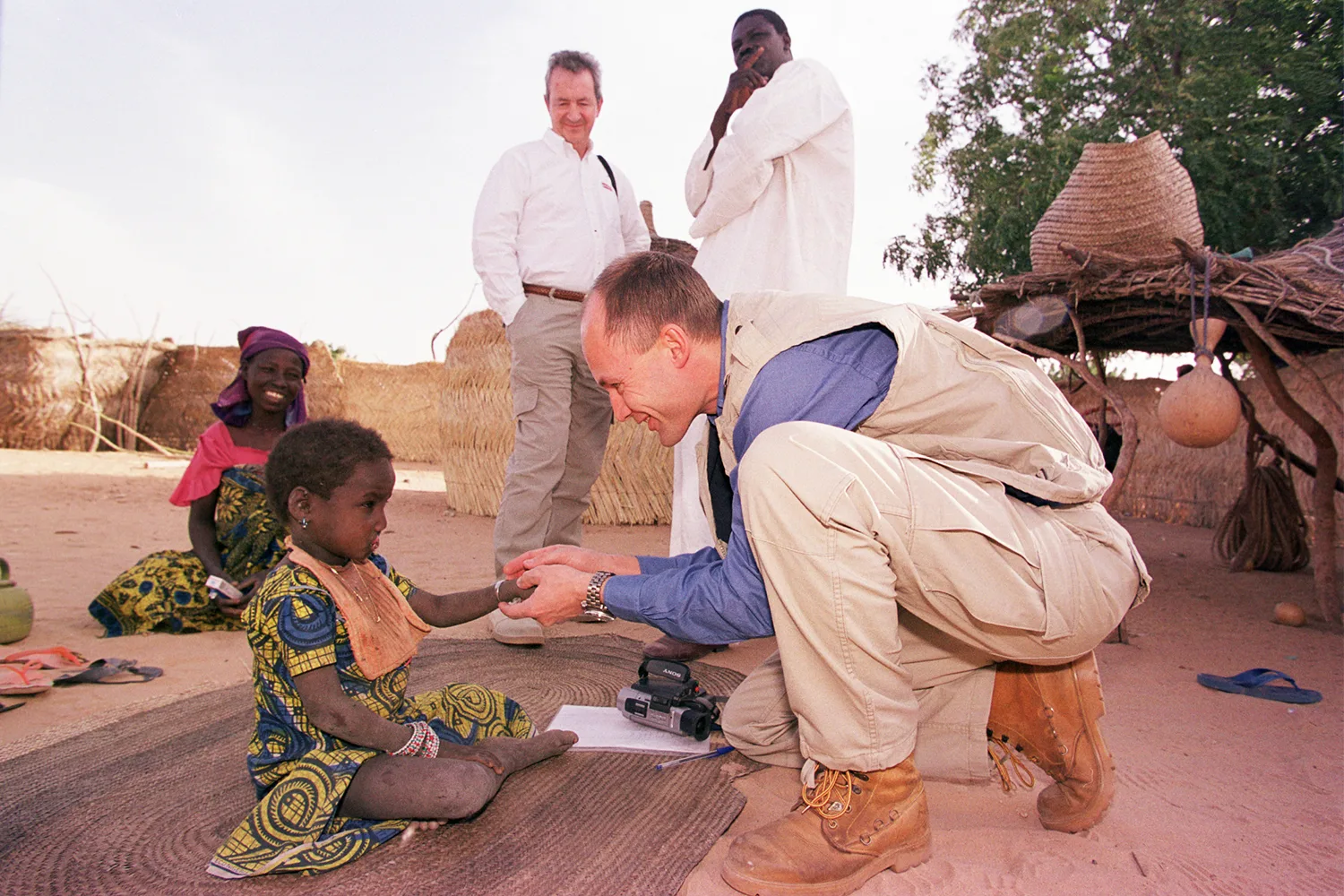
For more than two decades, Winds of Hope has been committed to fighting noma, a rapidly progressing and often fatal disease that primarily affects children living in extreme poverty.
Noma begins as a simple infection of the gums but can quickly lead to severe tissue destruction of the face if left untreated. Yet, when detected early, it can be stopped with basic and affordable care.
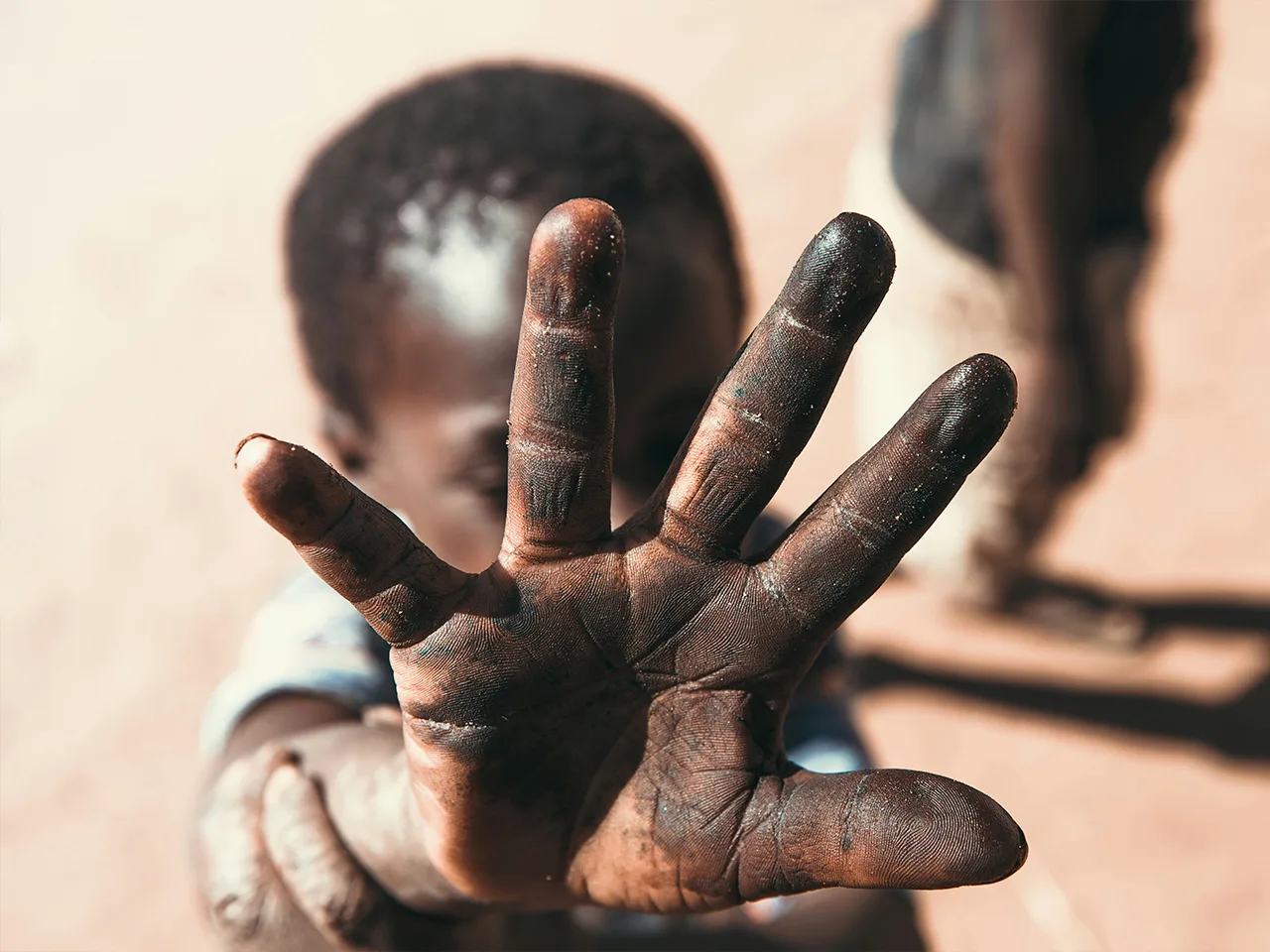
"When we first hear its name, we do not know what it is. When we hear it described, we cannot believe what we hear. And when we see it with our own eyes, we will never be the same again."
— Bertrand Piccard
Noma Day — 1 million raised
In 2008, Winds of Hope, together with the NoNoma Federation and in collaboration with the World Health Organization (WHO), organised the first Noma Day in Geneva under the patronage of Kofi Annan. This international event brought together scientists, NGOs, policymakers and the public to raise awareness, strengthen collaboration and mobilise resources against noma. It helped bring global attention to a largely neglected disease and raised nearly CHF 1 million to support field projects across Africa.
The approach Bertrand Piccard committed the Foundation to three axes of action.
Prevention
Training community health workers and raising awareness in villages — simple programmes with a strong multiplier effect for early detection and primary care.
Raising awareness
Mobilising the international community, public opinion and political authorities to make this intolerable and overlooked disease visible.
Coordination
In 2003, Winds of Hope created the International NoNoma Federation to align NGOs, researchers and field operators around a shared agenda.
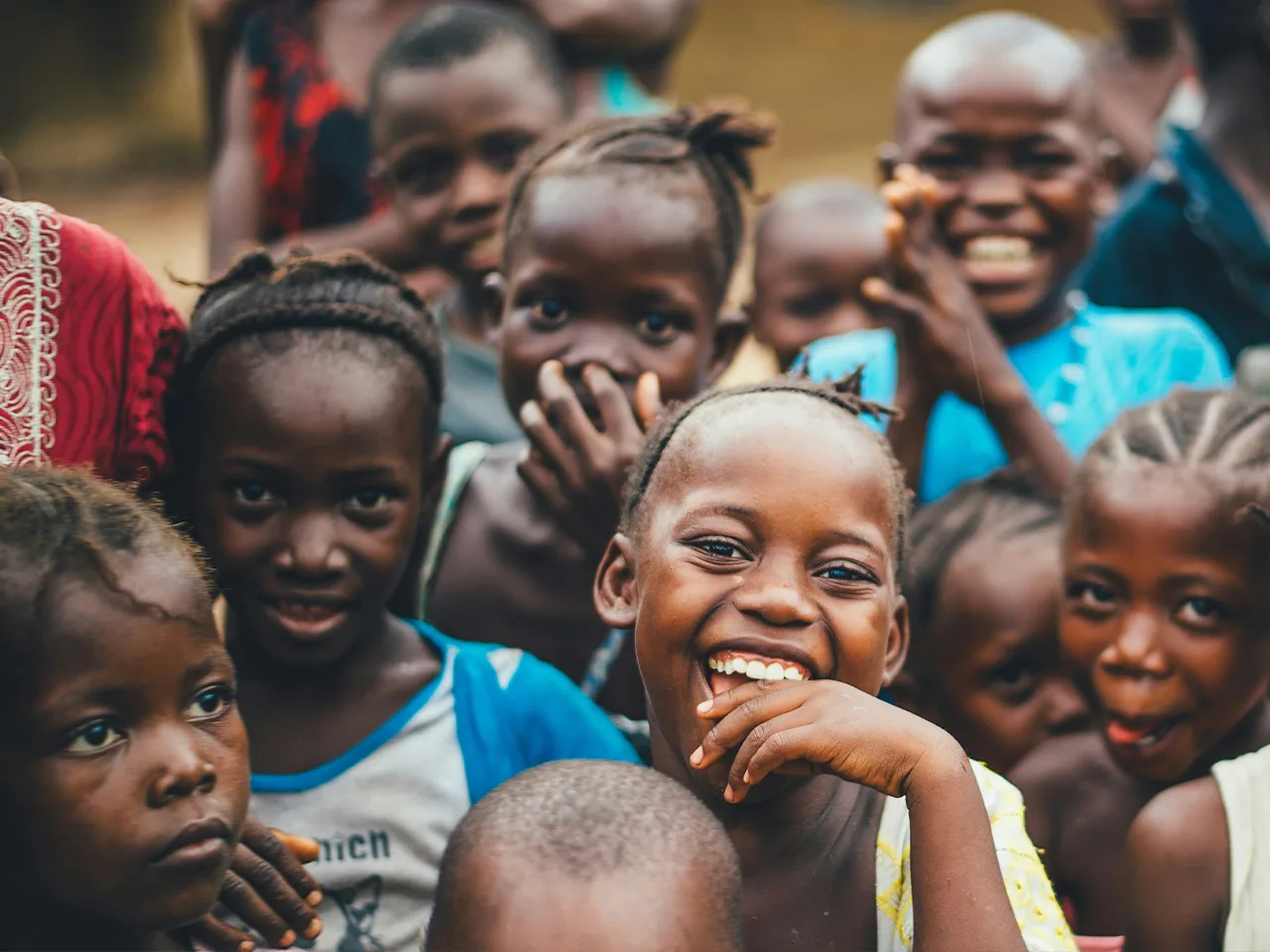
- Raising awareness and improving hygiene practices in communities
- Enabling training local health workers through Sentinelles to recognise early symptoms
- Supporting access to basic healthcare and nutrition
- Providing medical care, surgery and rehabilitation when needed
This approach reflects a core belief of the Foundation: preventing disease through simple, early action can have a far greater impact than treating its consequences.
In 2023, the World Health Organization (WHO) officially recognised noma as a neglected tropical disease. With this recognition, Winds of Hope has gradually stepped back from direct programme involvement, confident that noma is now supported by a broader international health framework.
Building on this experience, the Foundation is now focusing on other high-impact, under-recognised challenges, where simple and scalable solutions can improve lives — while remaining guided by the same principles of prevention, accessibility and tangible impact.
Read more on bertrandpiccard.com